
Why Sharp Vision Can Hide Silent Internal Eye Diseases
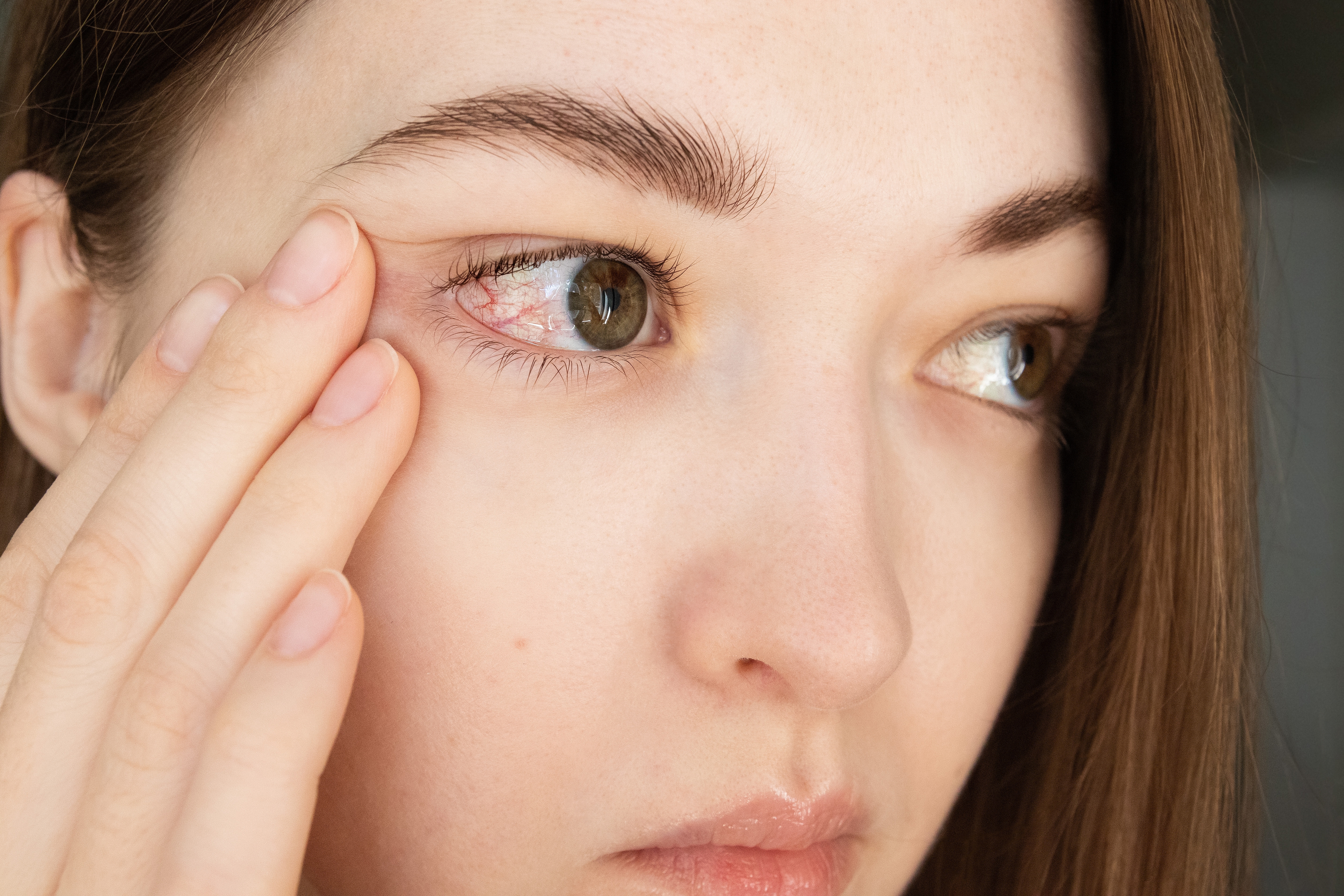
Sharp vision can make your eyes feel healthy, but clear sight does not always tell the full story. Many internal eye diseases begin quietly, affecting the retina, optic nerve, blood vessels, or eye pressure before you notice blur, pain, or vision loss. That is why a comprehensive eye exam is important, even when you can still read the letter chart with ease.
At My Family Eye Care in West Siloam Springs, we provide comprehensive eye care designed to evaluate both how clearly you see and how healthy your eyes are inside.
Why 20/20 Vision Is Not Enough
The letter chart measures visual sharpness at a distance. It does not show whether the retina is healthy, whether the optic nerve is changing, or whether internal eye pressure is within a safe range for your eyes.
A patient can have 20/20 vision and still have early signs of glaucoma, diabetic eye disease, macular degeneration, retinal changes, or high blood pressure effects inside the eye. These conditions may develop slowly and painlessly, which makes routine eye health exams essential.
What Internal Eye Diseases Can Affect
Internal eye diseases often involve structures that are not visible without specialized examination. The retina helps process light. The macula supports sharp central vision. The optic nerve carries visual information to the brain. The blood vessels inside the eye can show changes related to overall health.
When any of these structures are affected, vision may remain clear at first. By the time symptoms appear, damage may already be more advanced.
Why Silent Eye Disease Is So Dangerous
Many eye conditions do not cause early warning signs. Glaucoma can gradually damage the optic nerve and affect side vision before central vision changes. Diabetic eye disease may begin with small blood vessel changes before noticeable blur. Macular degeneration can progress slowly, especially in the early stages.
This is why West Siloam Springs patients should not wait for symptoms to schedule an eye exam. Preventive eye care helps your optometrist detect concerns before they interfere with daily life.
Signs You Should Not Ignore
Even if your vision feels sharp, certain symptoms should be checked promptly. Schedule a comprehensive eye exam if you notice:
- New floaters, flashes, or shadows in vision
- Blurry, distorted, or missing areas of sight
- Trouble seeing at night
- Eye pain, redness, or pressure
- Frequent headaches or eye strain
- Sudden changes in vision
- Loss of side vision
- Vision changes with diabetes or high blood pressure
These symptoms may be related to an eye health issue that needs timely evaluation.
Who Needs Regular Eye Health Exams?
Everyone benefits from routine comprehensive eye exams, but some patients should be especially consistent. You may need more frequent eye care if you have diabetes, high blood pressure, high cholesterol, a family history of glaucoma or macular degeneration, high myopia, past eye injuries, or a history of eye disease.
Age also matters. As the eyes change over time, the risk of cataracts, glaucoma, retinal disease, and other conditions can increase. Regular exams allow your optometrist to compare findings from year to year.
Why Baseline Testing Matters
One of the most valuable parts of comprehensive eye care is creating a baseline. Your optometrist can document the appearance of your retina, optic nerve, eye pressure, prescription, and other key findings. Future exams can then be compared against that baseline.
Small changes may not seem significant during a single visit, but they can become important when tracked over time. This comparison helps your doctor decide whether your eyes are stable, need closer monitoring, or require additional testing.
The Eye Can Reflect Whole-Body Health
The blood vessels inside the eye can sometimes show signs related to diabetes, high blood pressure, inflammation, or circulation concerns. While an eye exam does not replace medical care from your primary doctor, it can provide useful information about your overall health.
For West Siloam Springs families, routine eye exams are part of staying proactive about both vision and wellness.
Protect Your Vision Before Symptoms Start
Clear eyesight is valuable, but it should not be mistaken for a clean bill of eye health. Silent internal eye diseases can progress without obvious symptoms, making comprehensive exams the best way to catch concerns early and protect long-term vision.
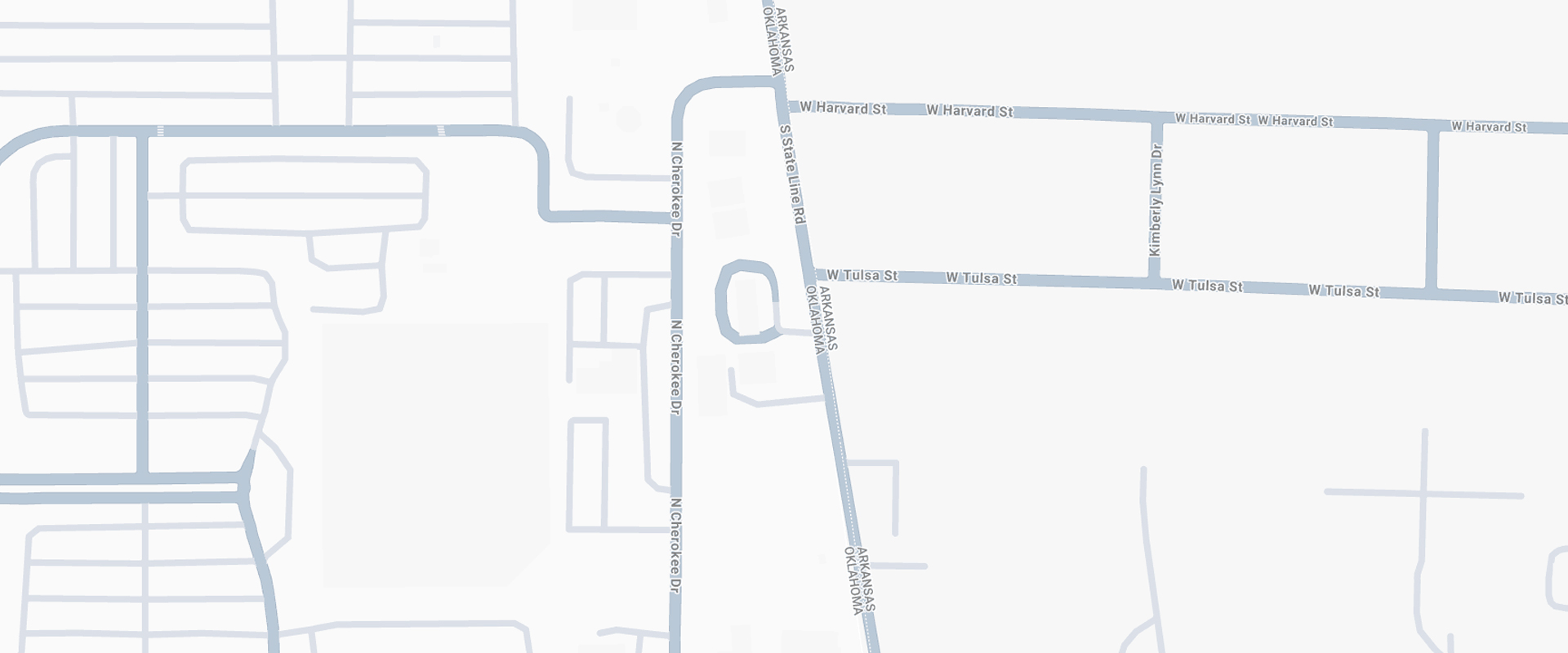
To schedule a comprehensive eye exam, contact My Family Eye Care in West Siloam Springs, OK at 820 State Line Rd., West Siloam Springs, OK, or call (918) 422-5811.


Contact Info
Office Hours
- Monday 8:30am - 5:00pm
- Tuesday 8:30am - 5:00pm
- Wednesday 8:30am - 4:00pm
- Thursday 9:00am - 5:00pm
- Friday 8:30am - 5:00pm
- Saturday Closed
- Sunday Closed
© 2026 My Family Eye Care. All Rights Reserved. Accessibility Statement | Privacy Policy | Sitemap
Powered by:
