
Dry Eye or Eye Allergies? How to Tell the Difference
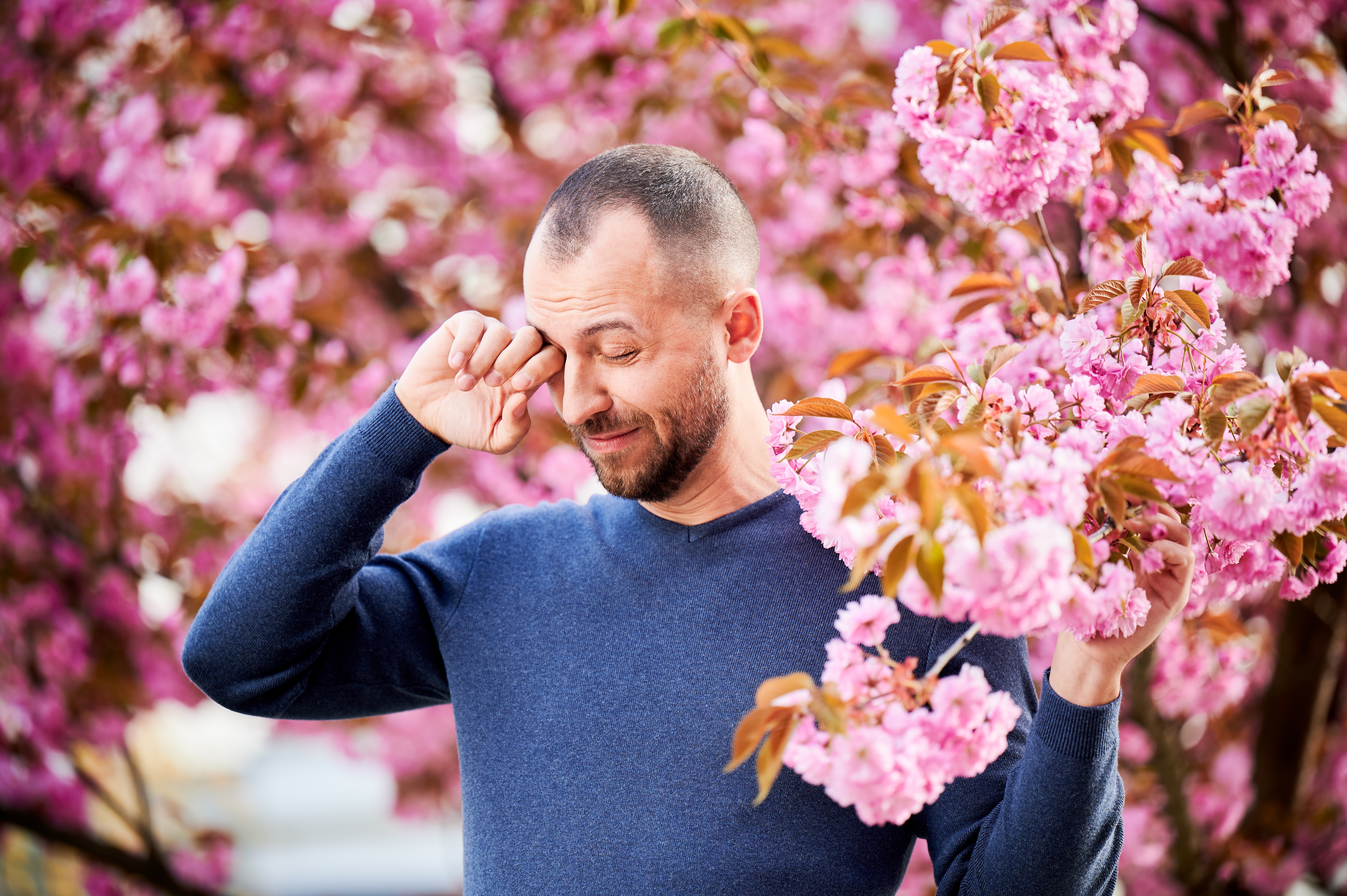
Red, irritated eyes can have more than one cause. Two of the most common are dry eye and eye allergies. While they may seem similar at first, they have different causes, symptoms, and treatment needs. Understanding the difference can help you know when to seek the right type of care.
What Is Dry Eye?
Dry eye is a condition that happens when your eyes do not produce enough tears or when the tears do not have the right balance to keep the eyes comfortable. Tears do more than create moisture - they help protect the surface of the eye, support clear vision, and wash away debris. When the tear film becomes unstable, the eyes can feel irritated and vision may fluctuate.
Dry eye can develop for several reasons. Aging is a common factor, but it can also be linked to screen use, certain medications, hormonal changes, environmental conditions, and underlying health issues. Spending long hours on computers or phones may reduce how often you blink, which can make symptoms worse. Dry air, wind, and indoor heating or air conditioning can also contribute to tear evaporation.
What Are Eye Allergies?
Eye allergies happen when the eyes react to substances such as pollen, dust, mold, or pet dander. These triggers can cause the immune system to respond, leading to inflammation and irritation on the surface of the eye. Eye allergies are often seasonal, but some people experience symptoms year-round depending on their environment.
The most common symptom of eye allergies is itching. Eyes may also look red, watery, swollen, or feel irritated. Some people notice a stringy discharge or experience allergy symptoms along with sneezing and nasal congestion.
Key Signs That Help Tell Them Apart
A few symptoms can make it easier to tell whether you may be dealing with dry eye or eye allergies:
- Dry eye often causes burning, stinging, grittiness, and fluctuating vision
- Eye allergies are more likely to cause itching, puffiness, and symptoms tied to allergen exposure
- Dry eye symptoms may worsen with screen use, reading, wind, or air conditioning
- Eye allergies may flare up during certain seasons or around pets, dust, or pollen
Why Proper Diagnosis Makes a Difference
Dry eye and eye allergies can look alike, but they are not treated the same way. A professional eye exam can help determine whether your symptoms are related to tear film problems, allergies, or a combination of both. That makes it easier to recommend the right treatment and improve long-term comfort.
When to Schedule an Eye Exam
If your symptoms keep coming back, interfere with daily activities, or do not improve with over-the-counter products, it is time for a professional evaluation. Ongoing redness, discomfort, blurred vision, or sensitivity to light should not be ignored. At My Family Eye Care, we can assess your symptoms, examine the health of your tear film and ocular surface, and recommend treatment based on what your eyes actually need.
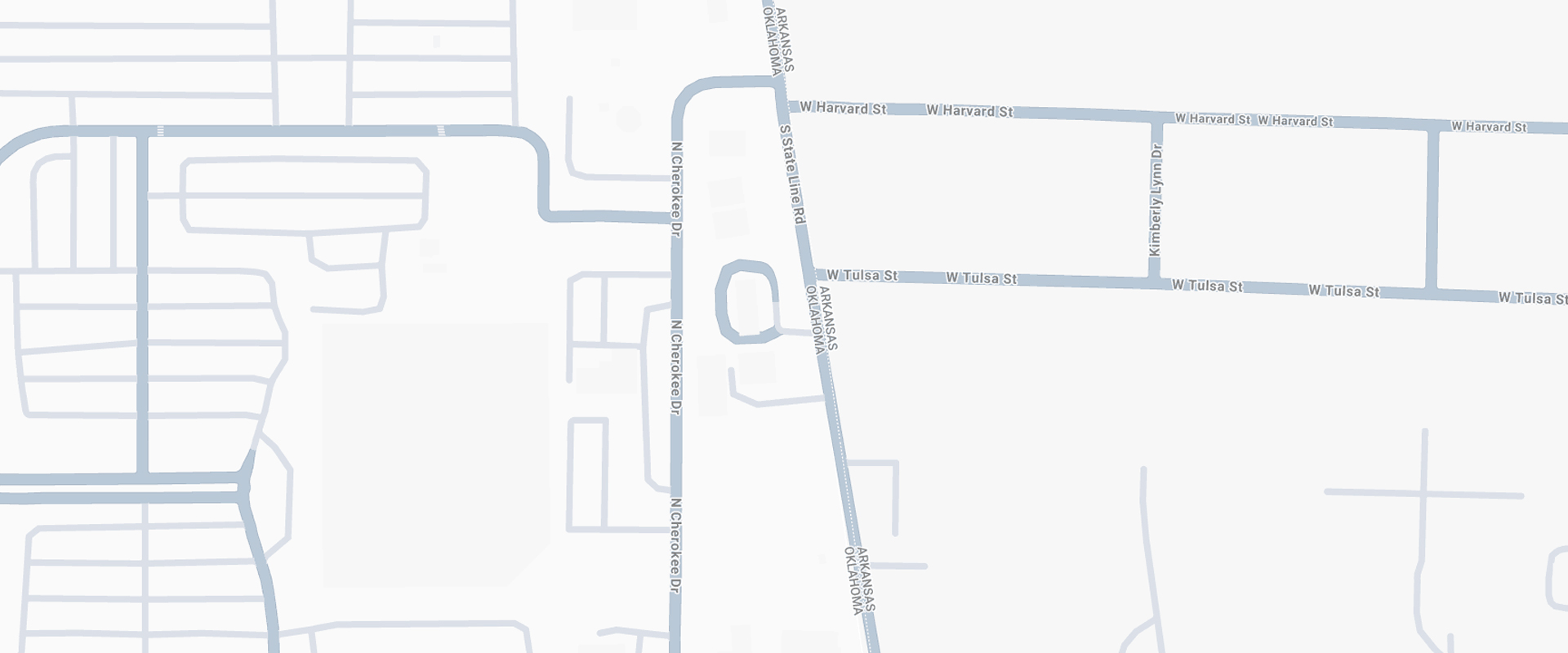
Schedule a consultation at My Family Eye Care to get relief from dry eye and eye allergies. Visit our office in West Siloam Springs, Oklahoma, or call (918) 422-5811 to book an appointment today.


Contact Info
Office Hours
- Monday 8:30am - 5:00pm
- Tuesday 8:30am - 5:00pm
- Wednesday 8:30am - 4:00pm
- Thursday 9:00am - 5:00pm
- Friday 8:30am - 5:00pm
- Saturday Closed
- Sunday Closed
© 2026 My Family Eye Care. All Rights Reserved. Accessibility Statement | Privacy Policy | Sitemap
Powered by:
